Split Complementary, Tetrad, Triadic and Clash Color Schemes for Decorating
Check out how to decorate your home with this foolproof system using split complementary, tetrad, triadic, and clash color schemes!
Originally published in 2020 but updated in 2026.
Disclosure: This post may contain affiliate links. Please read my disclosure policy.
This is the last part of my 4-part color theory series! This lesson is all about clash, split complementary, tetrad, and triadic color schemes. You definitely don’t have to decorate like this but if you are curious as to what colors go together, this is a foolproof way to achieve it!
If you are new to the series and want to start from the beginning, head to Lesson 1: How to Use a Color Wheel for Decorating.
Clash
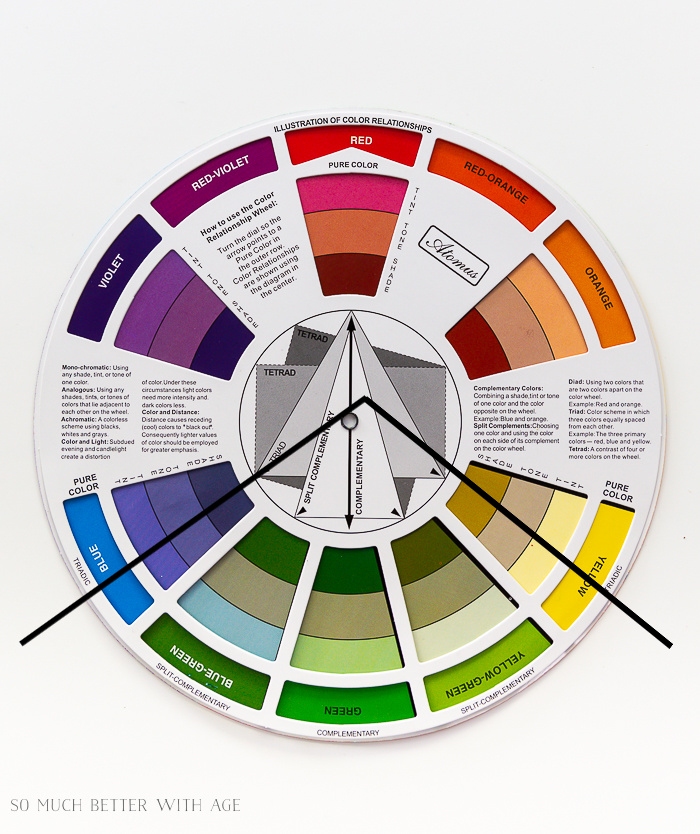
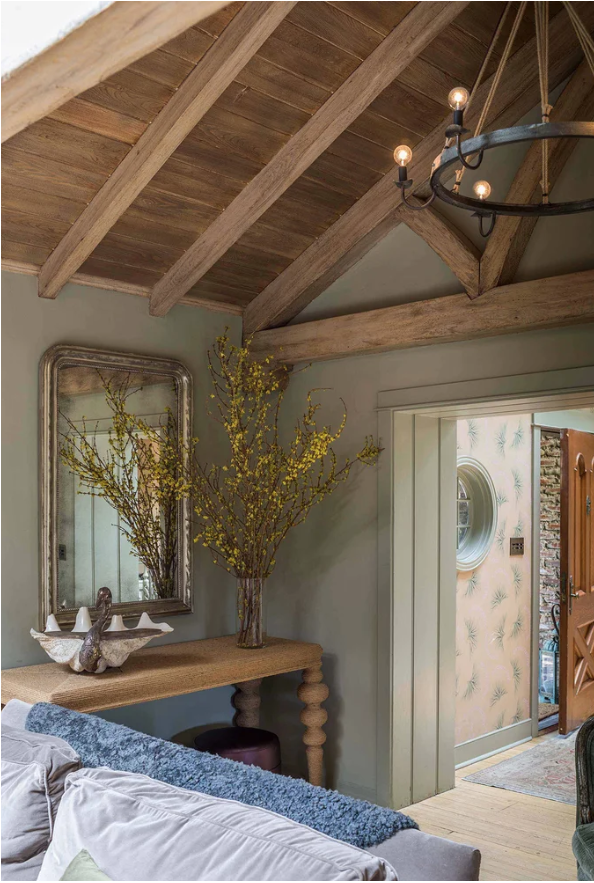
For a clash color scheme, instead of a complementary color pairing like blue and orange, one color would stay the same (in this case blue) and the second color would be next to orange (in this case, yellow).
Split Complementary
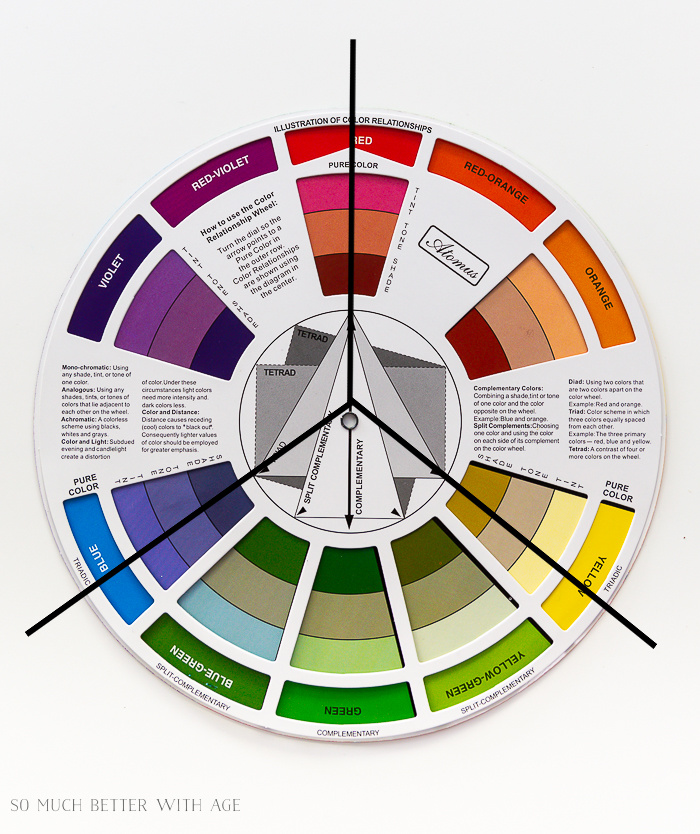
A split complementary color scheme forms a Y shape using three colors. If you remember, a complementary color scheme takes two colors on opposite sides of the color wheel. A split complementary is any color paired with the two colors on either side of it’s complement.
Tetrad
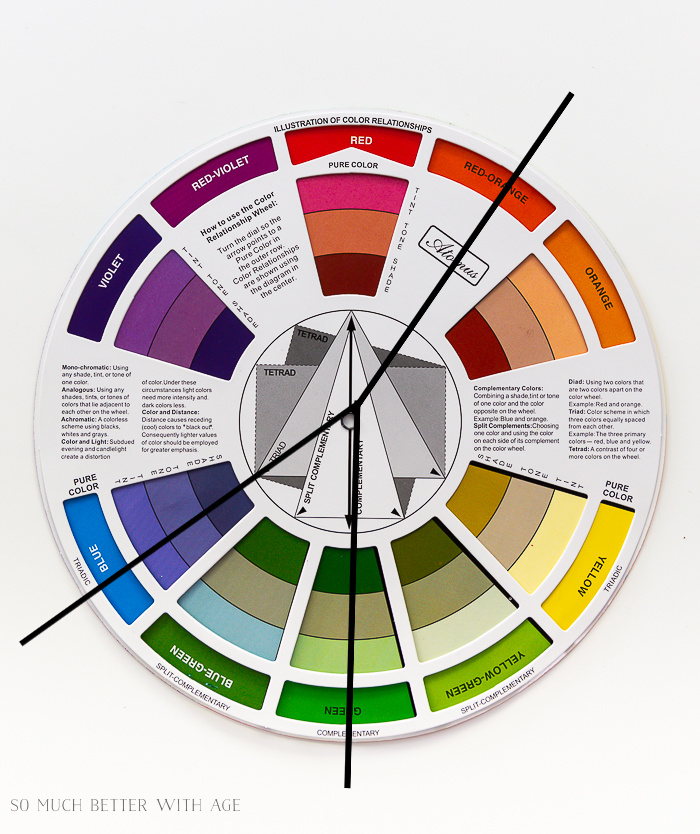
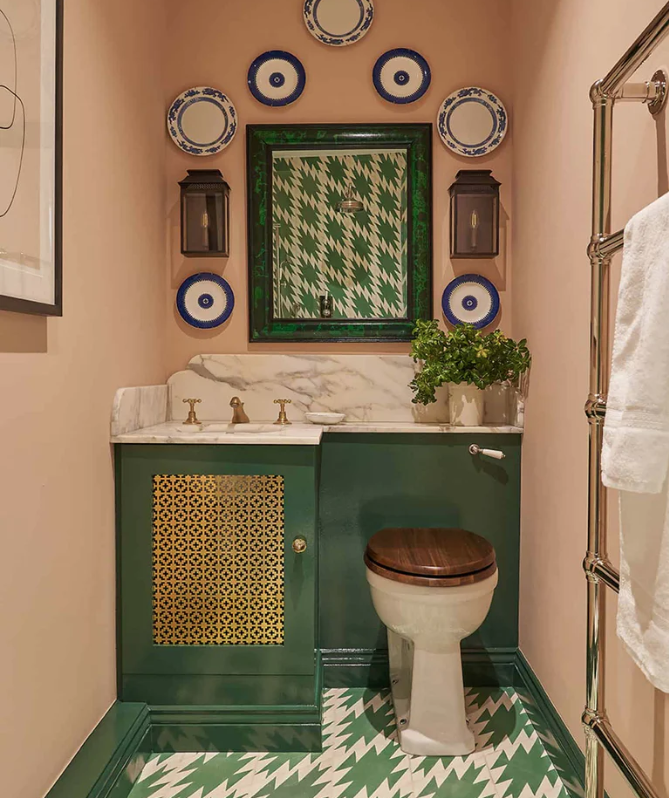
A tetrad color scheme is made up of 4 equally spaced colors around the color wheel. It also includes two sets of complementary colors.
Triadic
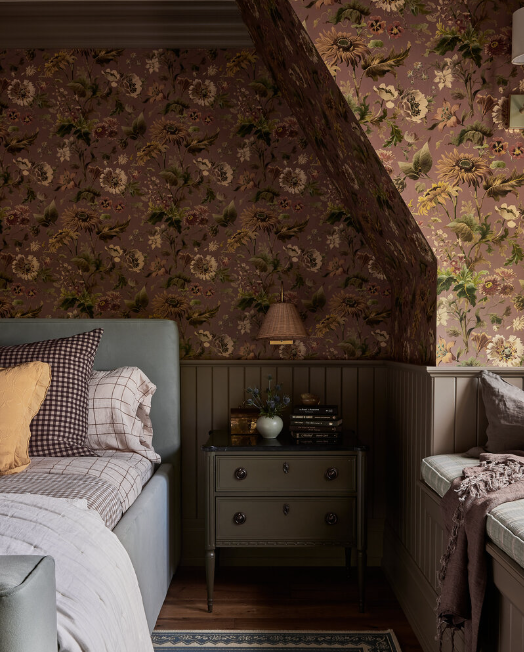
A triadic color scheme consists of three colors equally spaced out on the color wheel. Similar to a split complementary but not the same.
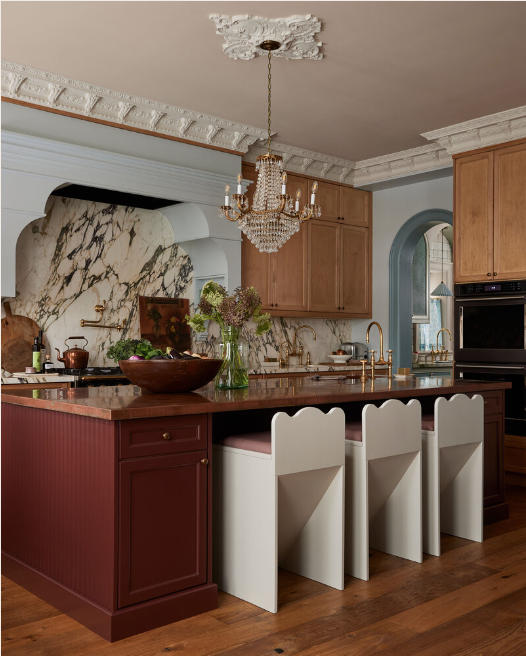
I hope you found the last part of my color theory series helpful and learning more about clash, split complementary, tetrad, and triadic color schemes! Check out more of my Decorating posts here.
Get your own artist’s color wheel here.

click in case you missed:
Lesson 1: How to Use a Color Wheel for Decorating
Lesson 2: Decorating with Complementary Colors
Lesson 3: Decorating with Achromatic, Analogous and Monochromatic Colors